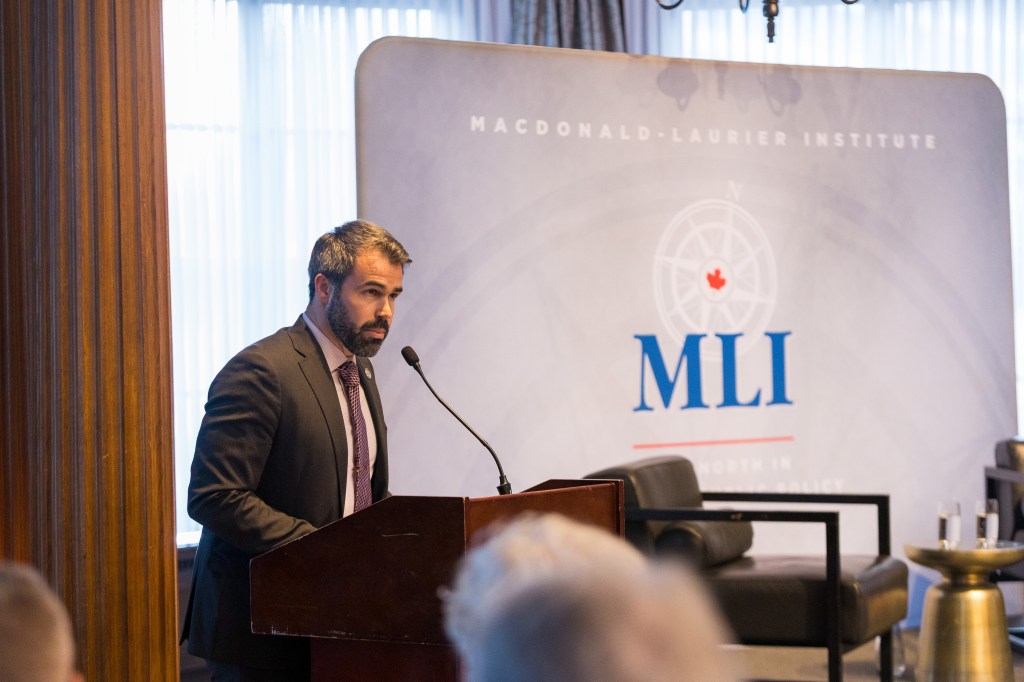
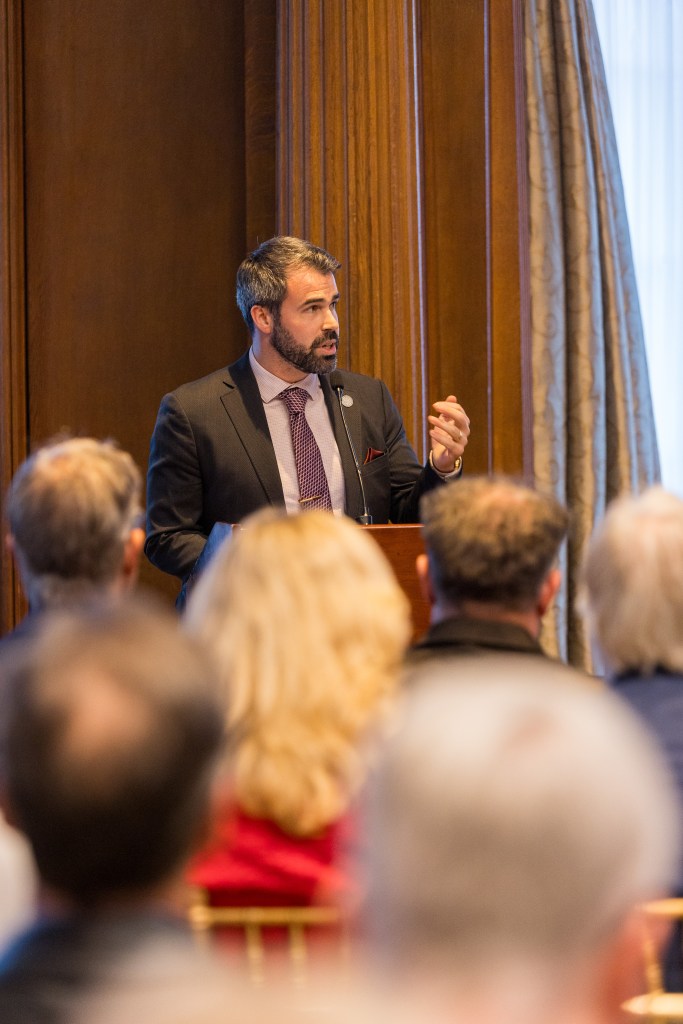
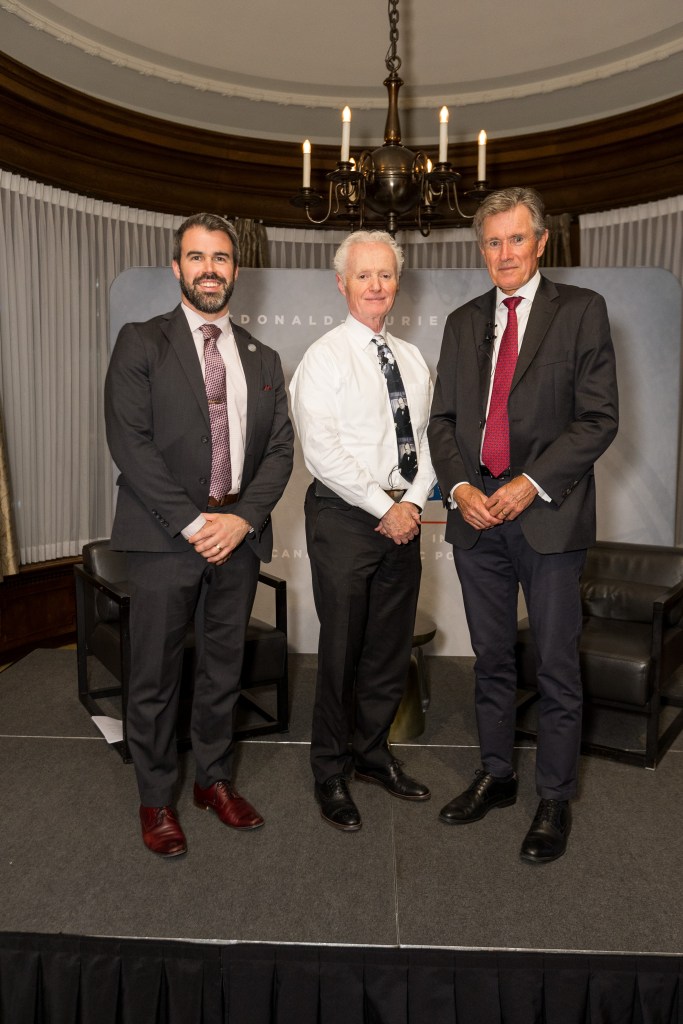
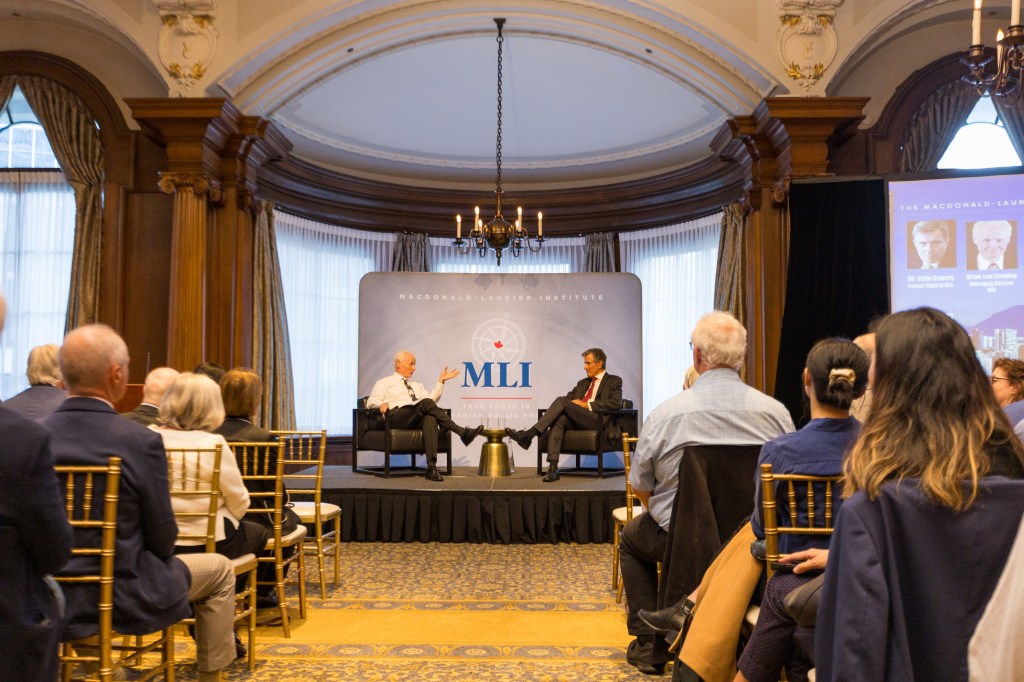
A former Chief of Britain’s foreign intelligence service, MI6, joined us for our third Vancouver speaker series event of 2026. He came at a decisive moment for Canada as geopolitical tensions, which have been a theme the past two years, have only ramped up in 2026. Renewed great power rivalry, wars in Europe and the Middle east, and testing of hitherto unquestionable alliances and institutions all characterize our moment.
In a tumultuous world, Canada has been forced to confront security deficiencies we have long neglected. Ottawa has begun to respond by proposing streamlined lawful-access powers for police and intelligence services that many of our partners already possess, advancing new border-security measures, and finally moving ahead with a long-promised financial crimes agency. Following this event, they’ve even invested in foreign intelligence gathering capacity through Budget 2026. But we will remain a target for foreign states employing hybrid warfare, including cyberattacks and organized crime networks. We are an attractive place for organized crime to do business, aided by a legal framework in which Charter jurisprudence, expansive evidence disclosure obligations and strict case timelines can make complex prosecutions exceptionally difficult — problems highlighted in the long-awaited Financial Action Task Force September 2026 report on Canada.
Sir John was keen to point out that Canada simply lacks the legal authority to collect intelligence, evidence, and to prosecute it, in the same ways as Britain and other Five Eyes partners do. To varying extent, they have legislation in place to ensure when organized crime or national security is at issue, a different set of processes and standards apply.
Against this backdrop, Canada faces larger questions about both its capabilities and its place in the world. Do we need a more robust intelligence and national-security capacity, including an extensive foreign human-intelligence capability – our own 007’s, as it were? And as Russia, Iran and China test Western interests and exploit strains within the Western alliance, how should Canada position itself? Ottawa is looking to closer ties with Europe, greater commercial engagement with China, and diversification away from the United States — paths that carry significant limits and risks. Should Canada instead place greater emphasis on renewing and deepening its existing alliances, including through the Five Eyes and perhaps CANZUK, while repairing its relationship with our indispensable partner, the United States?
There are few people better placed to help us think through those questions than Sir John Sawers.
He spent decades in the highest ranks of Britain’s civil service, serving in the foreign service and ambassadorial roles in the Middle East and United States, as well as a Foreign policy advisor to Prime Minister Tony Blair. He then sat atop Britain’s foreign intelligence service, MI6, the equivalent of the CIA, from 2009-2014, through a period marked by the Arab Spring, the wars in Iraq and Afghanistan, and the growing threats from Russia and China. He oversaw the services’ development of significant cyber capabilities, and deeper integration with allied intelligence partners, especially the United States and the Five Eyes partners, working closely with his Canadian counterpart, Dick Fadden.