Colonialism is often seen in starkly opposing terms: for some, it is a stain on history, demanding endless apologies and reparations. For others, it represents a legacy of progress and high ideals – something to be celebrated. In this polarized debate, history becomes a battleground, used less to understand the past and more to advance present agendas.
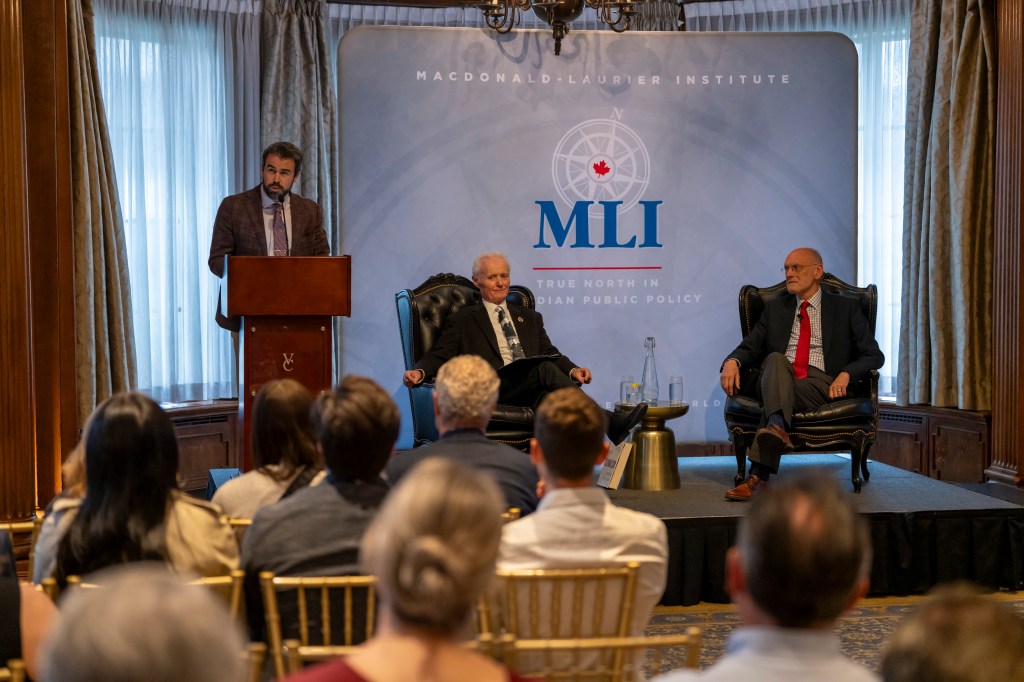
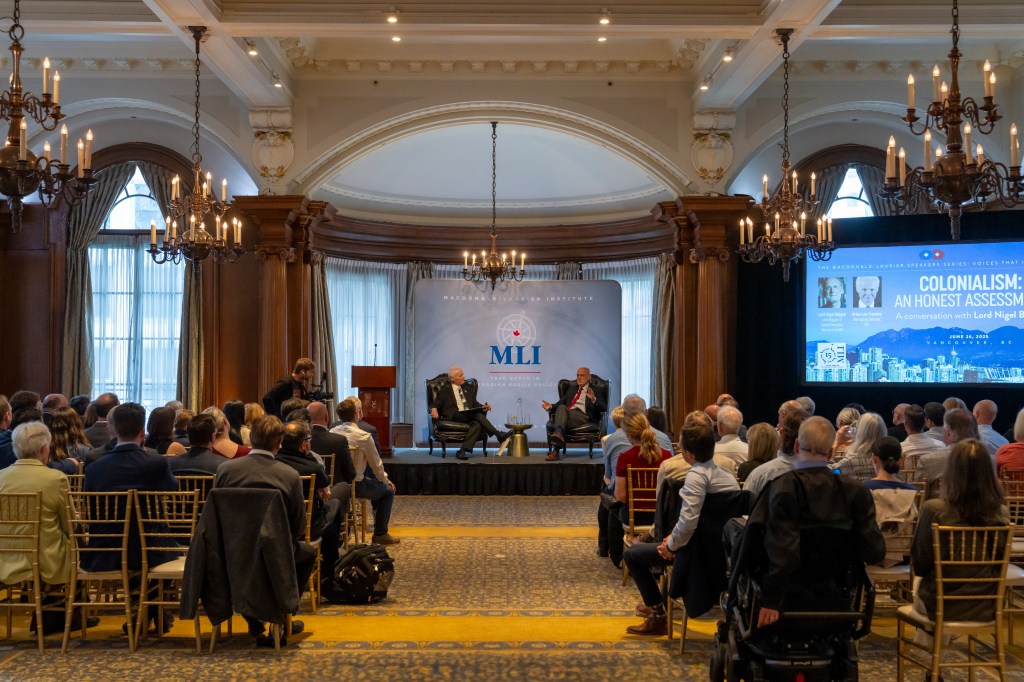
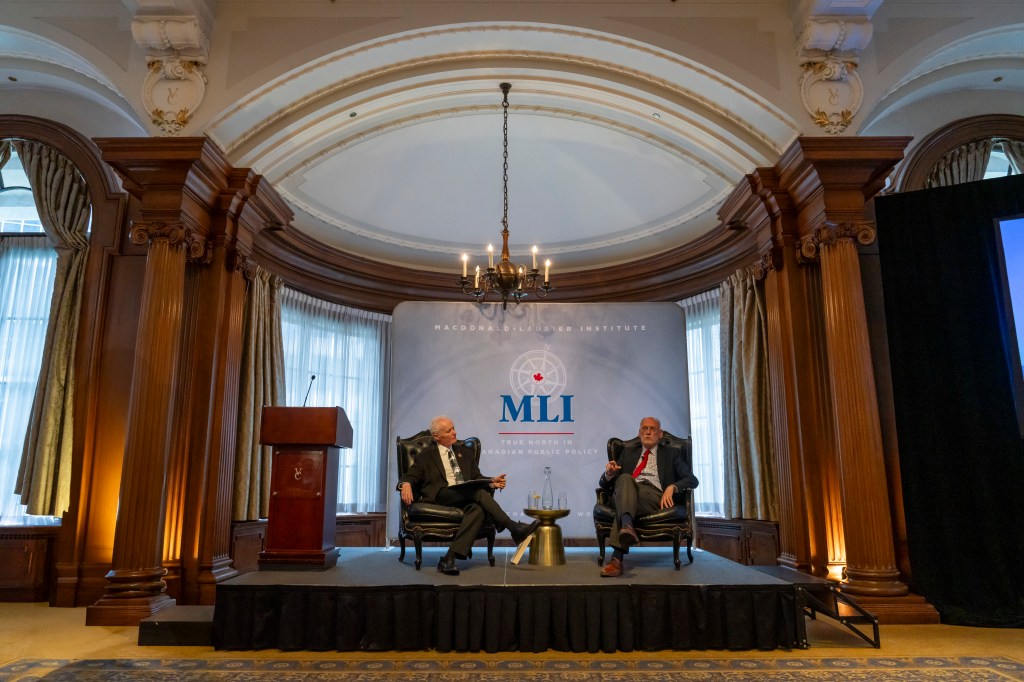
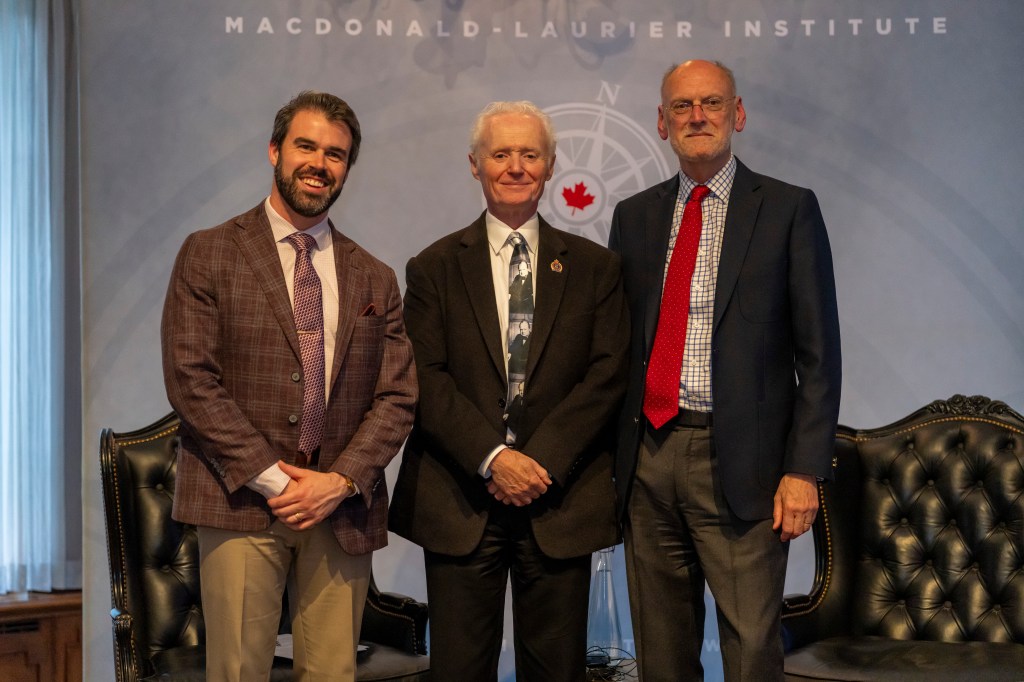
We were in Vancouver for the Macdonald-Laurier Institute’s Voices that Inspire series—Canada’s premier platform for bold ideas and fearless dialogue. We hosted an exclusive conversation between Sir Nigel Biggar, Regius Professor Emeritus at the University of Oxford, and MLI Managing Director Brian Lee Crowley.
Sir Nigel Biggar has emerged as a thought-provoking defender of academic freedom and historical inquiry. His latest work, Colonialism: A Moral Reckoning, has sparked international debate by challenging prevailing narratives about the British Empire. Despite significant pressure, Biggar has stood firm in his commitment to historical inquiry.
This event explored the complex legacy of colonialism, contending with arguments that its virtues are in need of as much coverage as its vices. Were imperial endeavours driven predominantly by the desire to alleviate oppression and establish self-government, as they were also at times filled with violence and prejudice? Was slavery a mark of the colonialist project, or is its most characteristic feature the abolition of the practice? Is the institutional and political legacy one marked by greed, and extraction, or the development of infrastructure, legal systems, and education? Or is it all of these things at once—a mix of good and bad, like most human endeavours?
Together, Biggar and Crowley entered into the debates about colonial history, including the legacy of residential schools and Indigenous policy in Canada, reflecting on the broader struggle to uphold free inquiry in democratic societies, like our own.


 Peter Copeland