
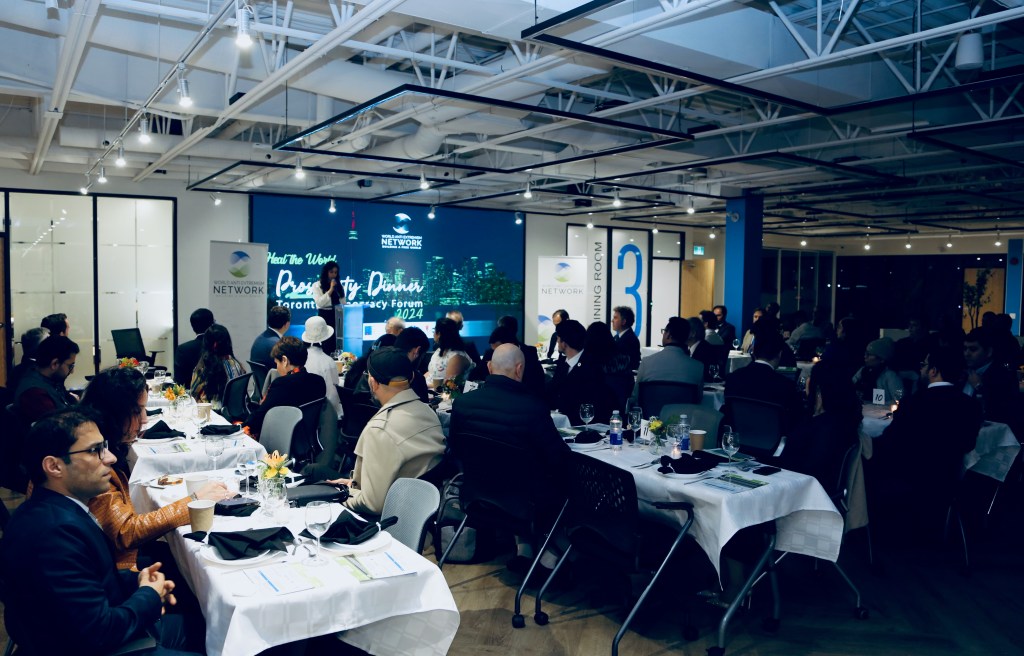
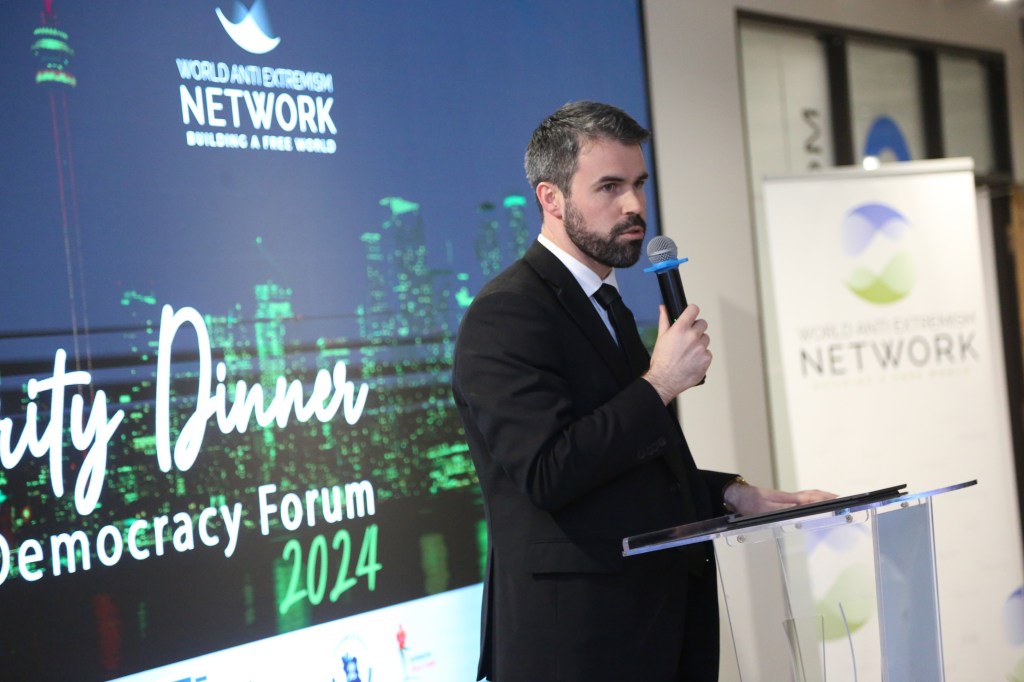
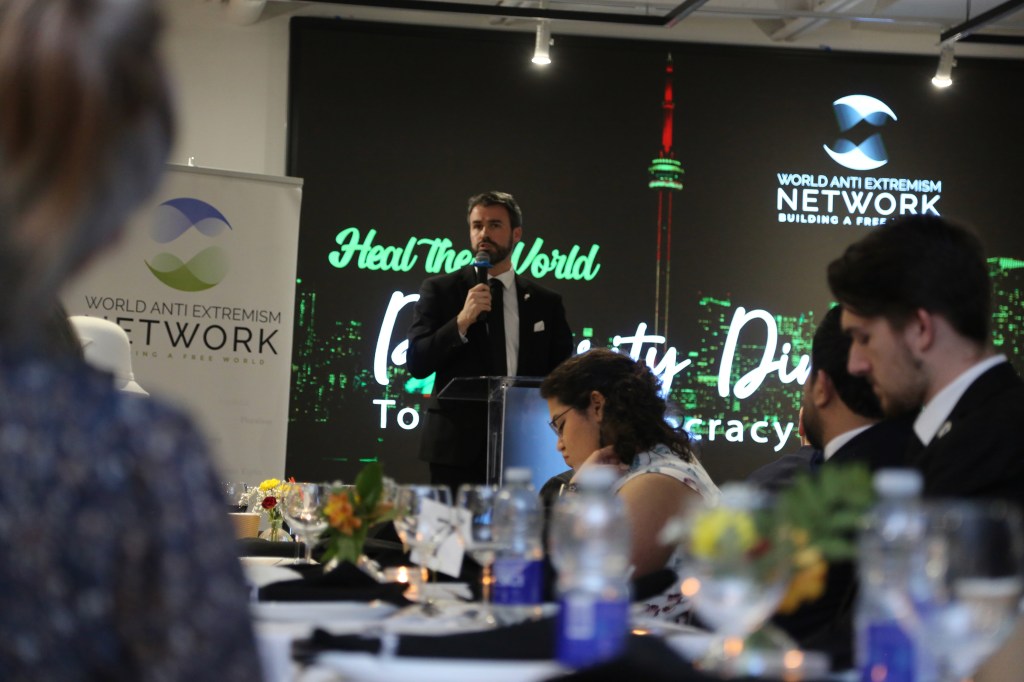
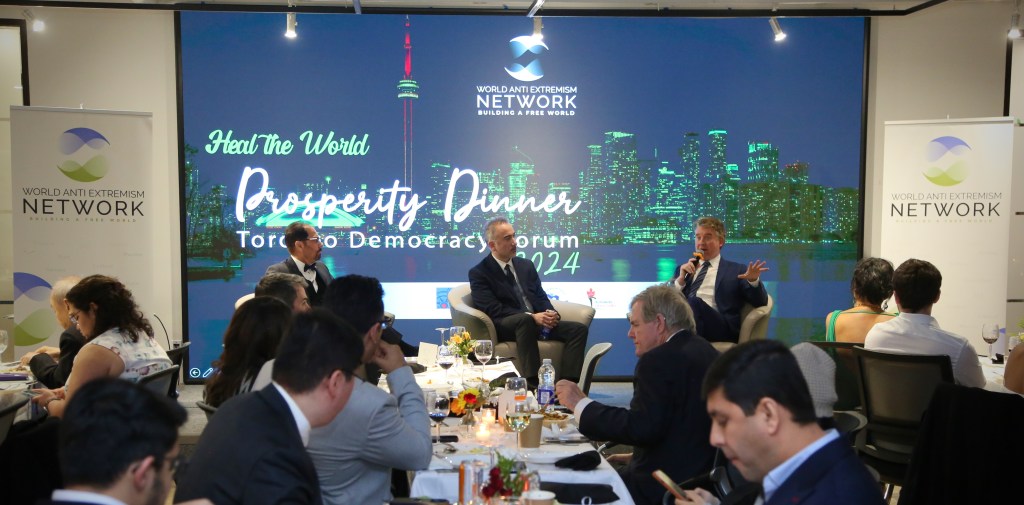
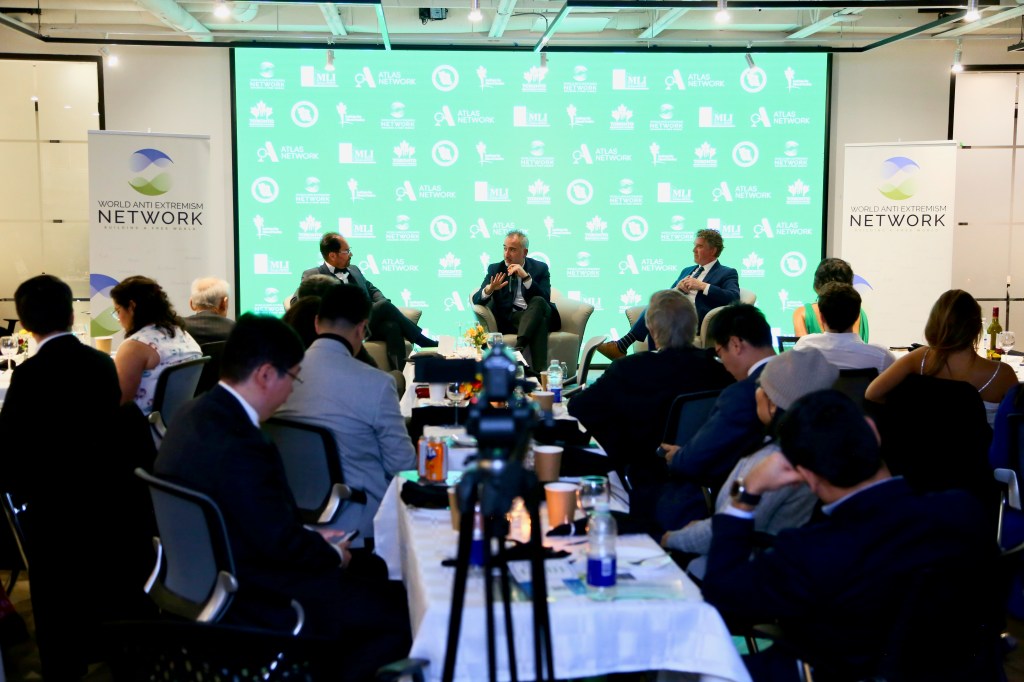
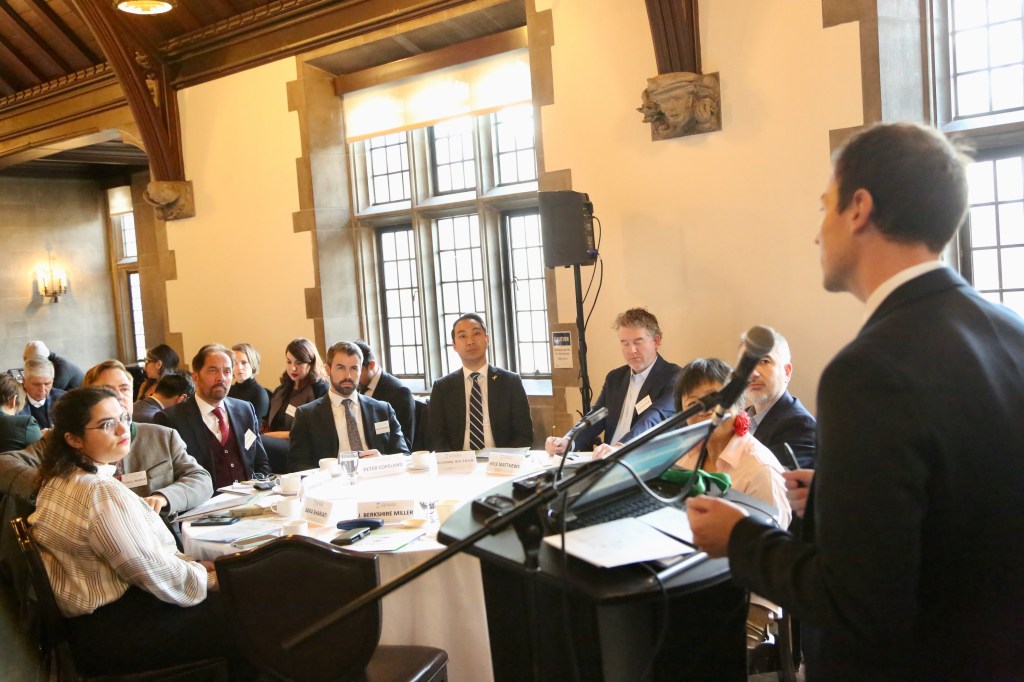
I was pleased to provide opening remarks at the World Anti-Extremism Network’s Toronto Democracy Forum, in November 2024. The Macdonald-Laurier Institute is a proud sponsor of the event. I spoke about rising extremism in the middle east and in Canada, the need to balance rights with responsibilities, the dangers of ‘positive rights’ eroding the negatively framed rights that have primacy, and the importance of grounding rights and legal frameworks around the world in the natural law, rather than purely positive law. Without the common grounding in shared principles derived from human nature and universal reason, we risk further balkanization and splintering in a world where values and truths are only relative to a person, or group’s perspective.
Read the report of the event here, and check out all the great work that Khalid Ramizy and the World Anti-Extremism Network do around the world to confront extremism and authoritarianism while championing peace, pluralism, and freedom.
Remarks – The Role of Universal and Objective Values in Today’s World
It is an honour to speak at the Toronto Democracy Forum, hosted by the World Anti-Extremism Network alongside the Macdonald Laurier Institute, the Institute for Liberal Studies, and Students for a Free Iran. Together, we confront extremism and authoritarianism while championing peace, pluralism, and freedom.
Democracy, that fragile institution, is under siege—from battlefields to courtrooms, from diplomacy to our streets—and Canada is not immune. At the Macdonald Laurier Institute, we tackle these threats through research and advocacy, including the Promised Land Project, which combats extremism and antisemitism while addressing the broader challenge of authoritarian regimes.
Tonight, I want to step back and reflect on the evolution of our societies since the drafting of the United Nations Declaration of Human Rights. How has our vision of rights and human dignity changed—sometimes for the worse, and how do these shifts intersect with the growing threats posed by authoritarianism, before turning to how Canada can address the challenges of extremism, antisemitism and authoritarianism.
The Promised Land Project is more urgent than ever. The October 7, 2023, barbaric attack by Hamas has demonstrated the fragility of peace and the persistence of violent extremism. These acts of terror targeted innocent civilians, aimed to delegitimize Israel, and revealed the depths of hatred that fuel such violence.
In Canada, we’ve witnessed a troubling rise in antisemitism. Jewish schools have been targeted, synagogues vandalized, and public rallies have spread rhetoric vilifying Jews and glorifying violence. These incidents are not isolated but part of a broader effort to eliminate Israel and rewrite history.
The Promised Land Project addresses this crisis through rigorous research, exposing the networks funding and spreading antisemitic hate. It equips Canadians with tools to counter false and hateful rhetoric, advocating for stronger policies in immigration and national security, to uncovering the animus and divisiveness of ideologies like postcolonialism and ‘diversity, equity and inclusion’ – countering radicalism and divisiveness, which is essential to preserving the very foundations of our society.
Extremism: the Global Dimension
Extremism extends beyond antisemitism, forming a network of threats tied to violent ideologies and authoritarian regimes. Iran, China, and Russia exemplify interconnected dangers to global stability. Iran backs groups like Hamas and Hezbollah, exporting revolutionary ideology and destabilizing its region. China uses coercive diplomacy and its Belt and Road Initiative to expand authoritarian influence, interfering in elections and critical sectors. Russia’s invasion of Ukraine highlights unchecked aggression, leveraging disinformation, cyber warfare, and energy blackmail. Together, these regimes undermine international norms, demanding vigilance and principled, unified responses to safeguard global peace, democracy, and universal values.
The role of the Ideal of Objective and Universal values in today’s world
These developments compel us to reflect deeply on justice, peace, and the leadership needed in a world fractured by ideological and cultural divisions. Central to this reflection is the reinvigorated role of objective and universal values, in today’s world.
The Universal Declaration of Human Rights (UDHR), influenced by thinkers like Jacques Maritain and Charles Malik, affirmed that human rights are not matters of subjective preference but derive from natural law, which seeks the genuine good for all. Natural law, grounded in reason’s grasp of human nature and what fulfils it, transcends cultural boundaries.
Unlike the UDHR, which – at least on paper – integrates responsibilities alongside rights, Canada’s Charter of Rights and Freedoms omits the concept of responsibility, which is something increasingly characteristic of the ‘age of entitlement’ in today’s developed nations. Modern frameworks increasingly emphasize rights without responsibilities, eliminating prohibitions and social stigma where they ought not be, and privileging positive rights in a way that undermines natural negative rights—those that protect the pursuit of the good life free from coercion. Meanwhile, the developing world struggles with the opposite problem—a lack of access to even basic negative rights.
This shift from a universal and objective, to a historically and socially contingent and subjective approach to truth, was aptly characterized as the ‘dictatorship of relativism’ by Pope Benedict XVI. He warned against a society that recognizes nothing as definitive, surrendering instead to the ego and desires of the moment. Today, some argue we have passed this era and now face a new age of moral fundamentalism. The relativistic values embodied by the cool and empty indifference and anomie of the chattering classes, the libertine liberalism eroding all boundaries and norms, and the conspicuous consumerism of the progressive vanguard and free marketeers alike have given way, some would say, to a new hypermoralistic and rigid set of worldviews pervaded by a kind of fanatical certainty.
Yet both contemporary wokeness and reactionary nationalisms share a relativist foundation, asserting that truth and morality are subjective and socially and historically contingent, replacing universal reason with the struggle for dominance.
To counter these trends, we must further develop the objective and universal foundations of law and values in a way that is intellectually humble, yet always striving for the ideal of truth. This means preserving personal freedom while not allowing subjectivity to lead to balkanization and claims to positive rights to undermine the sphere of freedom.
Pope Francis, in Misericordiae Vultus, reminds us that mercy “takes precedence over all virtues” because it compensates for human imperfection.
There can be no lasting peace without the ability to be merciful, because we are imperfect, and we all need mercy. We cannot find compassion and peace, which are built on love, if we cannot be merciful to one another. Secondly, purity of heart and right intention are indispensable in pursuing peace. You can never bring about peace, or truly do good, if you do not strive to cultivate it in your own heart and manifest it in your dealings with others. These are lessons we must strive to remember in a world that thinks only of facts and figures and forgets that the dignity of the person can never be upheld when we look upon everything through an instrumental lens.
Canada’s Role
Returning to Canada, we must recognize that combating extremism and authoritarianism is our fight. As a stable, pluralistic democracy, we have the responsibility to lead through action grounded in universal principles.
Strengthening our defenses is crucial. This includes investing in cybersecurity, preventing foreign interference, and ensuring our institutions are resilient against hate and division. These efforts must uphold justice and human dignity, avoiding compromises that sacrifice moral clarity for short-term political expediency.
Canada must also deepen partnerships with like-minded democracies—from the United States and Europe to allies in the Indo-Pacific. Together, we can confront authoritarian regimes and extremist ideologies through alliances grounded in freedom and the rule of law, which balance rights with responsibilities.
Finally, we must reaffirm our dedication to objective truth and universal values. Relativism of all shapes and sizes must not distort our sense of justice. This includes things like mercy and humility, recognizing that these things are themselves the great protectors of peace, democracy and freedom.
A Holistic Approach
The Macdonald-Laurier Institute combats extremism and authoritarianism through initiatives like the Promised Land Project, which addresses domestic challenges such as antisemitism and divisive ideologies. Internationally, we counter authoritarian tactics and advocate for justice, while uniting policymakers, civil society, and engaged citizens to advance democracy and shared values. Yet, as history shows, government and institutions alone cannot achieve these goals. Forums like this one are vital for uniting diverse voices and forging solutions grounded in reason and shared principles.
Though daunting, the challenges of rising extremism and authoritarianism are not insurmountable. When free societies unite with humility, justice, and resolve, they can overcome the gravest threats and ensure Canada remains a beacon of freedom, dignity, and truth.
About the Toronto Democracy Forum and the World Anti-Extremism Network
Toronto Democracy Forum
Healing the World by Defending Freedom & Countering Oppression
A World Free of Extremism & Authoritarianism
The world is grappling with despair fueled by extremism and authoritarianism, making the effort to heal it more critical than ever. Addressing this challenge requires a collective effort to understand its roots and chart a path toward healing and resilience. With this mission in mind, the Toronto Democracy Forum has emerged as a fundamental platform by WAEN, bringing together human rights and freedom activists, scholars, and experts from across the globe to confront these pressing issues and share ideas on how we can collectively counter extremism and authoritarianism and promote dialogue and collaboration for a freer, and more prosperous future.
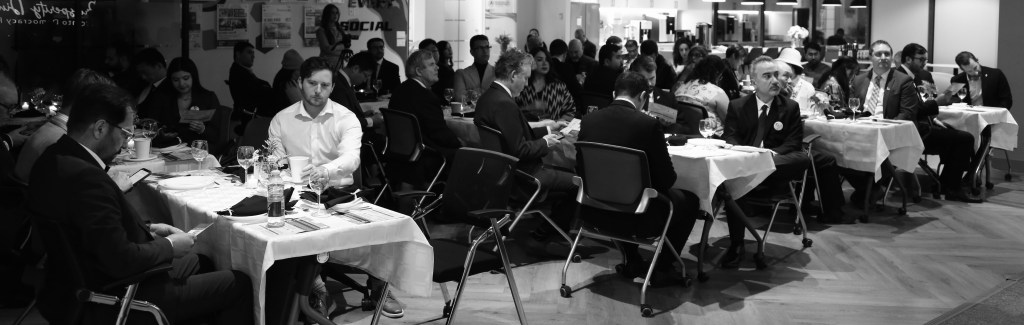
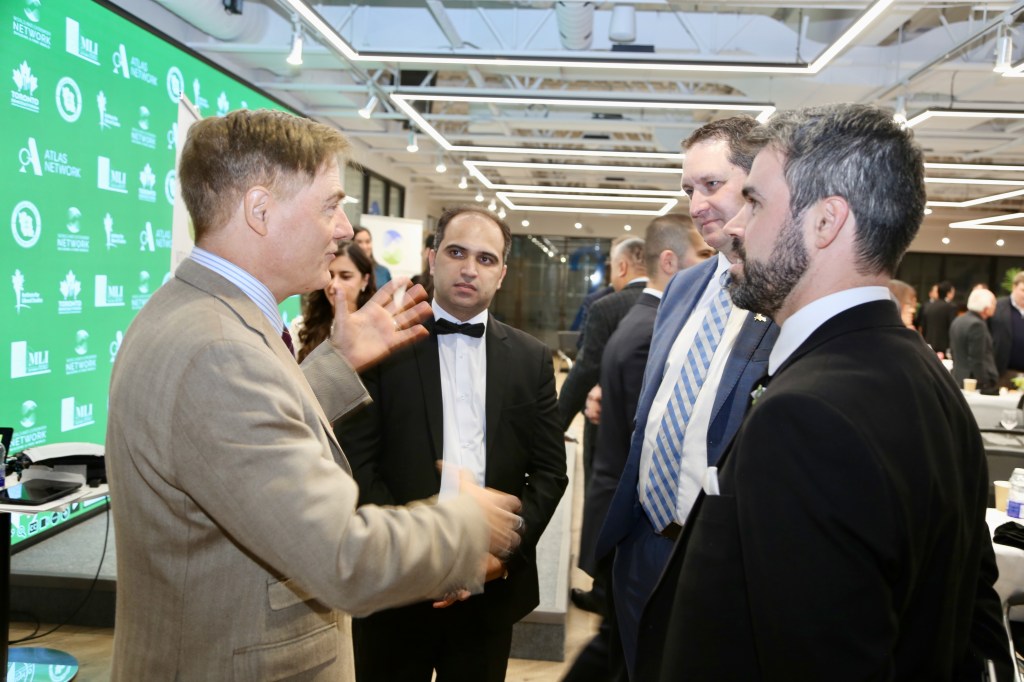
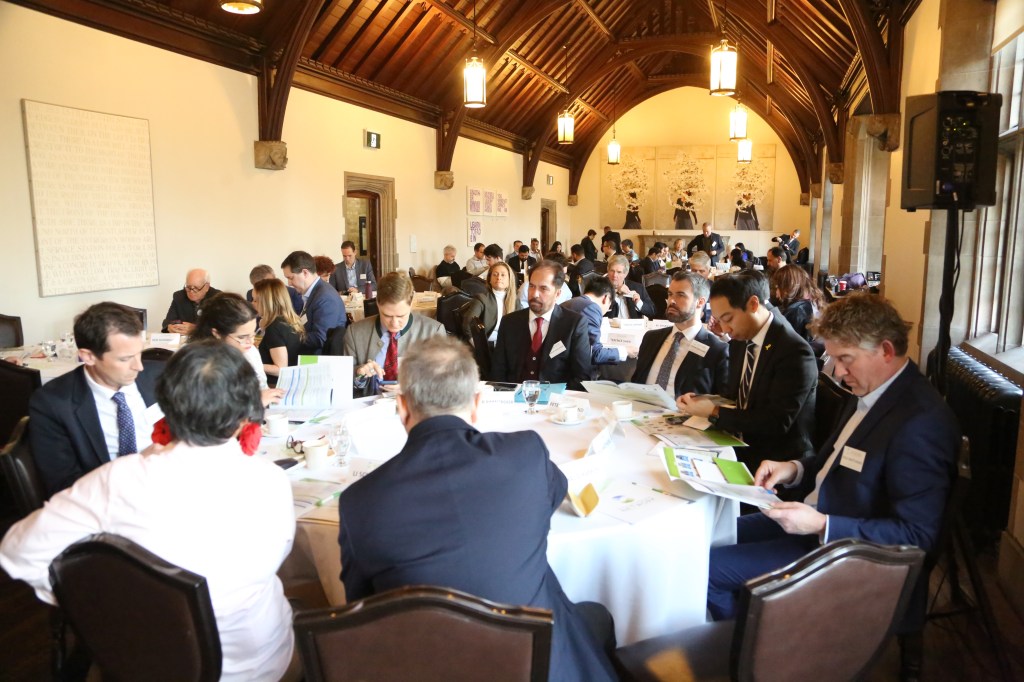
The Toronto Democracy Forum, which is the WAEN’s annual conference, was successfully held in the heart of Toronto on November 24–25, 2024. The forum was organized in partnership and support of the Atlas Network, the Macdonald-Laurier Institute—Canada’s leading national public policy think tank—the Institute for Liberal Studies, an educational nonprofit dedicated to fostering discussions on classical liberal ideas in Canada, and Students for a Free Iran at the University of Toronto.
 Peter Copeland