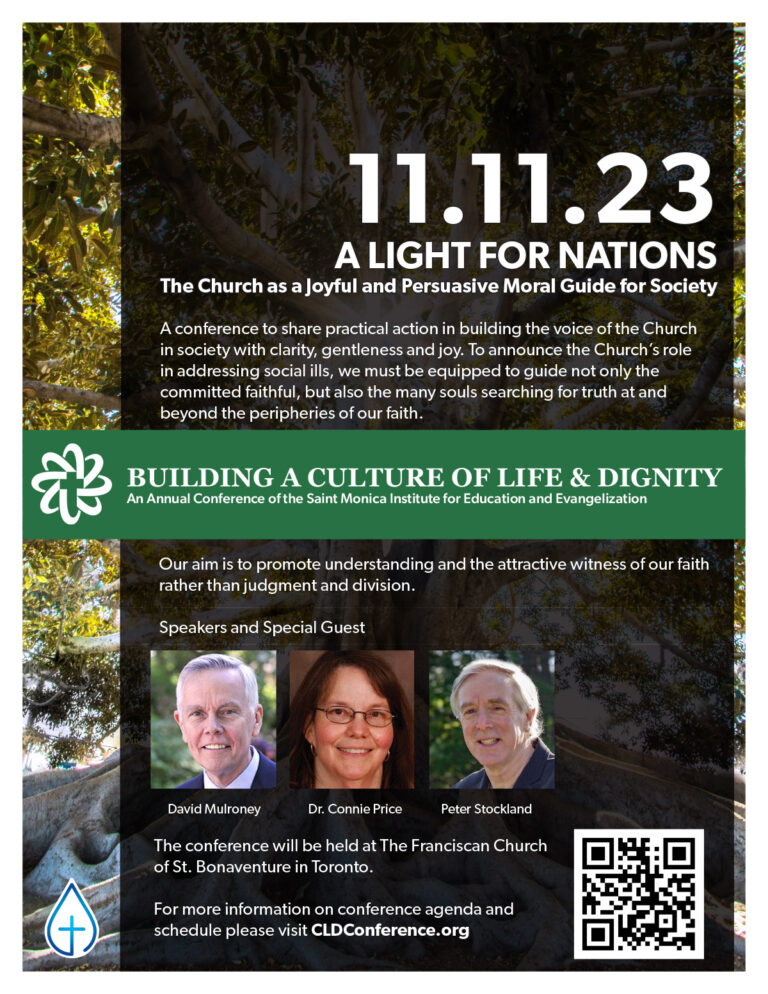
I will present at the conference on conceptualizing well-being indices based on causal modelling.
Powers/Capacity model of ‘Well-being’ for Public policy purposes:
Opportunity: Introducing a normative model of human flourishing at an individual and social level to act as a ‘measure’ for policy interventions (public policy)
Measures like GDP, the HDI, and other well-being indices do a good job of identifying factors that are correlated with our well-being, but they often lack a causal perspective on how those factors influence outcomes, and are based on an inadequate picture of human flourishing. I argue this is largely because the methodology lends itself to the conceptualization of well-being as the simple sum of an incomplete list of factors.
Proposal:
A better model could include:
- A causal model that considers the life cycle of a person, from development to mid-life and old age, identifying crucial transition points and goods essential to each part of life;
- An identification of key goods that can serve as bounds for decision-makers: things that should not be tampered with, and things that must be actively fulfilled;
- A virtues/capability model of flourishing, that better recognizes the religious dimension in human life, and qualitative goods, such as strength of community, levels of civic participation, as well as ‘common goods’ – goods that are not commonly owned or publicly available, but arise from individuals orienting their activities to create a good that is shared
 Peter Copeland